Southern California Chapter

The Southern California Chapter is made up of members representing the range of printing history and book arts interests. We are excited about the wonderful programs that we continue to provide for members of the Chapter and welcome all of you in the region who share our interests to become active with the group. Our territory extends from San Luis Obispo to San Diego.
We strive to plan and coordinate events that are valuable to our membership, and welcome hearing from you about programs we could organize in the future. Feel free to contact any of us. Also, please let us know if you are interested in giving a presentation for the Chapter.
upcoming events

“Building Elaborate Illustrations,
One Miniscule Piece at a Time”
The SoCal Chapter of APHA is pleased to sponsor a lecture by letterpress phenom, Jennifer Farrell of Starshaped Press of Chicago, Illinois. The event will take place at the International Printing Museum in Carson.
Sunday, February 17, 2019
Lecture: 6:00 – 7:00pm
Reception with light refreshments: 5:30pm
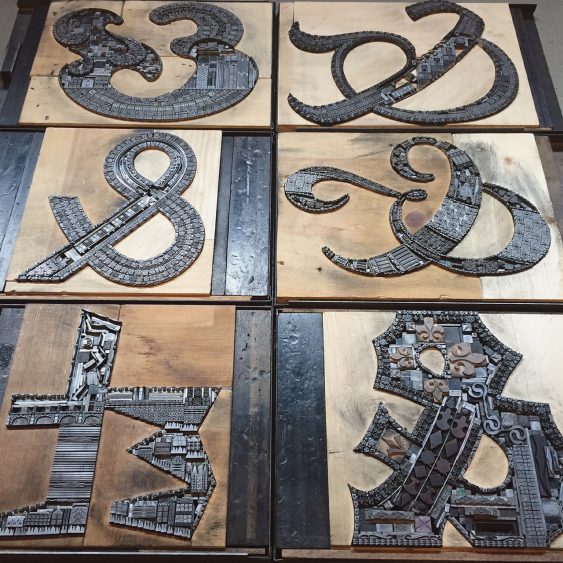
The Well-Traveled Ampersand is an example of a personal, technical, and whimsical project from 2016 that pays homage to ampersands associated with specific typefaces (see Goudy’s Californian above). Each letterform is a visual impression of place composed of antique ornaments
Jennifer Farrell is also leading two workshops February 16th and 17th.
We hope to see you!
PAST events

Letterpress & Social Justice
Tia Blassingame will be leading a special workshop at Scripps College Press in Claremont, CA on Saturday, May 19, 2018.
The group will look at prints, ‘zines and artists’ books with a social justice/social practice focus; learn how to print text and image using low relief techniques on an antique printing press; and learn strategies for developing a limited-edition book with content. Each participate will receive one copy of all the books created in the workshop. One copy of each book will be submitted to the digital archive/exhibition Rising Together: Zines with a Social Conscience, organized by the College of Book Art Association (CBAA).
Space is limited to 8 participants. $30 per person. Beginners welcome! Tool supplied, but bring ideas and text.
9-noon, lunch break 12-1pm, 1-5pm
To sign up, contact Tia Blassingame by May 1, 2018: tblassin[at]scrippscollege[dot]edu
See you at the Book Fair!
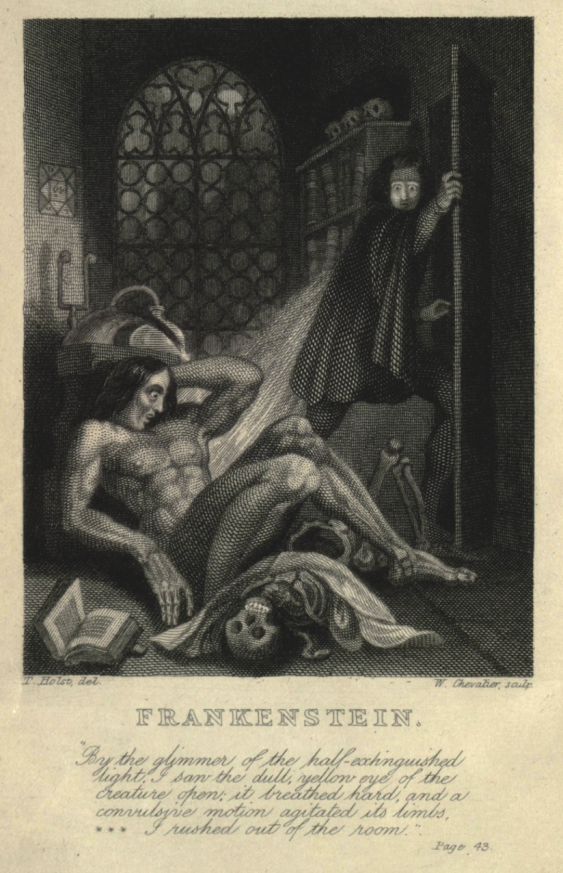
The Chapter will have a table at the 51st California International Antiquarian Book Fair. This year’s theme: the 200th anniversary of Mary Shelley’s Frankenstein (see frontispiece by Theodor von Holst from the 1831 edition above). This year the Chapter will exhibit the work of one of our newest SoCal members, Tia Blassingame (Primrose Press), along with work by her students. She directs the letterpress program at The Scripps College Press, which will be the site for a SoCal Chapter workshop in late spring.
Stop by and say “hello” to one of our cheerful volunteers in the special exhibits hall: Friday, February 9 (3-8 p.m.), Saturday, February 10 (10 a.m.-7 p.m.), or Sunday, February 11 (11 a.m.-5 p.m.).
APHA SoCal Annual Meeting & Program – January 13, 2018!
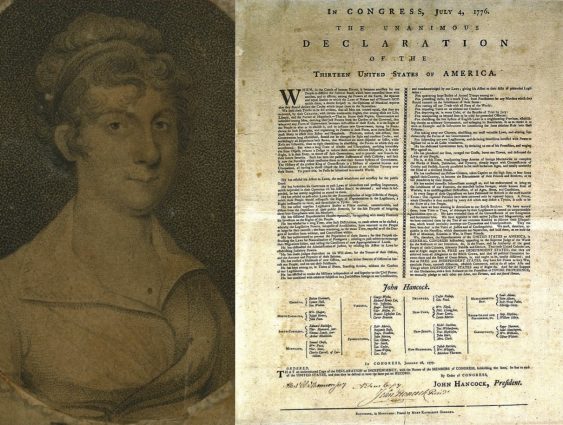
The Southern California Chapter of the American Printing History Association presents, in collaboration with the International Printing Museum, Women Printers and Publishers in Colonial America on Saturday, January 13, 2018, starting at 3:00 p.m. at the International Printing Museum. This free public program, prepared by Ethan B. Lipton based on the work of David Webb Fowler, will explore the contributions of several women to our nation’s printing history. Participants will have the opportunity to print their own copy of Mary Katherine Goddard’s Declaration of Independence on an antique hand press. The event will be followed by a reception and the annual APHA SoCal membership meeting.

Tour of Self Help Graphics & Art! (see flyer above.)

Printers Fair on October 14th!
The Los Angeles Printers Fair will be held at the International Printing Museum in Carson for its 9th consecutive year. Stop by the APHA SoCal table (B21) between 10AM and 5PM. Chapter members who volunteer to staff the table will get free first come, first served badges. Help visitors print keepsake coasters on a 19th-century Albion hand press! Share the benefits of APHA membership! Promote our December 2nd tour of Self Help Graphics & Art! To sign up for some table time, contact Alex: alexjustice[at]me[dot]com.

Film Screening of Pressing On: The Letterpress Film!
The chapter is co-sponsoring the LA premiere of the new documentary, Pressing On: The Letterpress Film, which focuses on the Midwest letterpress revival. Come to the LA Wayzgoose at the International Printing Museum, Friday, July 21, 2017 at 8 p.m. Chapters members will receive free admission to the film.
Central Coast Press Crawl
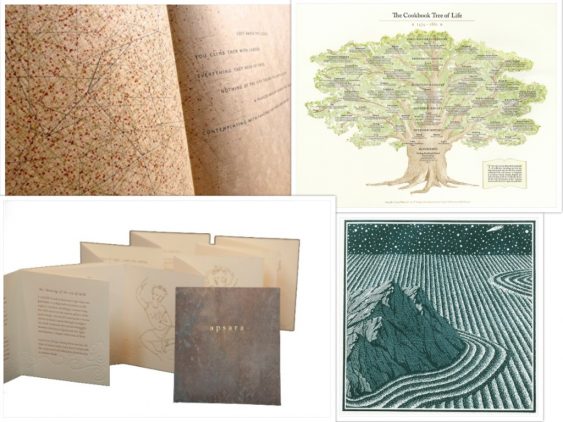
April 1-2, 2017, APHA SoCal will embark on a weekend press crawl to see the finest in south central coast book arts, book arts education, and job printing. Stops on Saturday will include Turkey Press – Edition Reese (Isla Vista), the Special Research Collections exhibition A Powerful Voice: Nurturing Creativity–Female Book Artists at the College of Creative Studies (UCSB), and Lumino Editions and Simplemente Maria Press (Santa Barbara). Sunday will include Classic Letterpress and an optional stop at Bart’s Books, “the world’s greatest outdoor bookstore” (Ojai). Members may book a motel/ hotel anywhere between Santa Barbara and Ojai. Space is limited. To learn more or to RSVP, contact Jessica at jholada[at]gmail[dot]com.
Images: Edition Reese – In Visible Cities (top left), Classic Letterpress – The Cookbook Tree of Life (top right), Simplemente Maria Press – Asparsa (bottom left), and Lumino Editions – Finding the Space.

Tour of Mixografia
On Saturday, March 4th we will visit the printmaking facilities and the gallery space of Mixografia in Los Angeles.
Luis and Lea Remba built the studio in the West Adams area in 1984, after previously working in Mexico City. The Rembas invented methods in bas-relief printing process that could print both mural-sized and in three-dimensional texture. Mixografia also holds patents on Mixocast, a bas-relief sculptural technique. Mixografia also created equipment to print using an axle of a train locomotive and makes its own specially pliable paper from 100% cotton pulp.
We will be see “Another Cautionary Tale Comes to Mind (but immediately vanishes),” an exhibit of work by site-specific artist, Jacob Hashimoto. The work has six pieces of Hashimoto with three printed using Mixografia’s bas-relief printing process (see example above). Also on display in the Mixografia’s gallery include works by Ed Ruscha, John Baldessari and Louise Bourgeois.
Please RSVP to jholada [at] gmail [dot] com by Friday, March 3rd. We hope you will join us!
Address: 1419 East Adams Boulevard, Los Angeles, CA 90011

The SoCal Chapter will hold its annual membership meeting at the South Pasadena Public Library Community Room. We will cover what we accomplished in 2016, what’s ahead for 2017, and hold an election for the Programs officer position. The evening will feature presentations from students and faculty from Southland-area college and university letterpress programs, including Art Center, Occidental, Otis, and Scripps. We’ll hear about their projects and how printing history is integrated into their teaching, understand how these programs operate within the curriculum, look at their printed work firsthand, and enjoy a reception of hearty food and beverages. Please join us!
Sunday, January 22nd, 2017
5:30 p.m. – 7:30 p.m.
South Pasadena Public Library, Community Room
1115 El Centro St. South Pasadena, CA 91030
RSVPs are always appreciated: jholada [at] gmail [dot] com.

Please join us for a just-added tour of Stoughton Printing Company on Monday, December 19th at 4:30 p.m. In business since the 1960s and located in the City of Industry, Stoughton is a premiere printer of music packaging. They have been riding the recent vinyl record revival. Examples of Stoughton record jackets were featured in a special exhibit at the 8th Annual Los Angeles Printers Fair at the International Printing Museum in October. Space is limited! Please RSVP to jholada[at]gmail[dot]com no later than Friday, December 16th.

8th Annual Los Angeles Printers Fair
Come to the Printers Fair at the International Printing Museum in Carson on Saturday, October 1 from 10 a.m. – 5 p.m. Vendors, type and equipment sales, demonstrations–there’s something for everyone. This year they are holding a record album cover competition. We didn’t enter, but here’s our unofficial submission (every printer’s nightmare–a still from Park Row, 1952). Stop by Booth 35!

Typecraft Tour!
Please join the American Printing History Association (APHA) Southern California Chapter on Monday, November 14 at 7 p.m. for a tour of Typecraft in Pasadena. David Mayes will show us the presses, which will be up and running, as well as their graphic design library, which was featured in the A+D Architecture and Design Museum exhibit last year. Typecraft specializes in high-level printing for graphic designers, museums, and area universities and art colleges. Typecraft is also a West Coast demo site for Hewlett-Packard’s digital Indigo presses, including the state-of-the-art Indigo 10000.
Tour is limited to 20 participants.
RSVP to Jessica Holada at jholada[at]gmail[dot]com by Friday, November 11th
Chapter Member Scholarship!
A scholarship has been created to encourage a Southern California chapter member to attend the national conference, The Black Art & Printers’ Devils: The Magic, Mysticism, and Wonders of Printing History, October 7-9, 2016. Preference will be given to members with demonstrated financial need and interest in printing history and the allied arts. The scholarship covers the cost of one registration at the APHA member rate ($240), but does not include lodging, travel, or optional tour fees. P
If you are interested in applying for the SoCal Member Scholarship to attend the conference, please send the following to: aphaconference2016@gmail.com with “SoCal Scholarship Application” in the subject line.
- Name
- Street address
- Email address
- Phone number
- Brief statement (200 words or less) explaining your interest in the conference
- Registration status (if you have already registered and paid for the conference, you may still apply for the scholarship. Please indicate whether you have registered or not registered in your application)
Deadline to apply: September 1, 2016
All applicants will be notified by September 3, 2016
Eligibility: all candidates must be current members of APHA and the Southern California Chapter
If awarded, registration must be completed by September 15th

Postcard Tour @ LMU!
Wednesday, September 7th
1:00-3:00 p.m.

APHA at LACMA!
Thursday, June 23rd
1:00 – 3:30 p.m.
ANNOUNCING: APHA SOCAL MEET UP AT SCRIPPS
March 5, 2016
9:00am-6:00pm
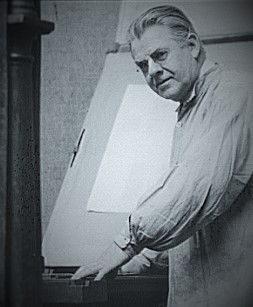
The Scripps College Press has undoubtedly been one of the most important and influential college presses in history of Southern California printing. With its famed Frederic W. Goudy legacy enshrined in the Scripps College Old Style and its continued track record of innovative instruction in printing and the book arts, we understand that there is a great level of appreciation for the Scripps College Press within the community. That is why we hope you can join us this year at Scripps for a full day of activities at the 75th Anniversary of this most treasured institution. Registration ranges from $15.00 (which includes lunch) to $42.50 (which includes dinner). Register by March 1, 2016.
Click here for more details.
Friday, February 12th – Sunday, February 14th, 2016
See you at the book fair!
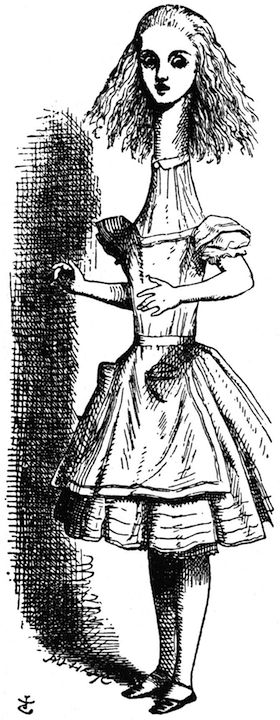
The Southern California Chapter will have a table at the Antiquarian Booksellers Association of America (ABAA) Book Fair in Pasadena, “where thousands of book lovers, rare book dealers, and scholars will come together.” The fair will celebrate the 150th anniversary of Alice in Wonderland with special exhibits and programs. The SoCal chapter will be promoting membership and events, including the annual conference at the Huntington Library, October 7th-8th, 2016.
300 East Green Street, Pasadena, CA 91101
Book fair hours: Friday from 3-8pm, Saturday from 11am-7pm, and Sunday from 11am-5pm
Please stop by and say hello!
Recent Activities
Sunday, January 17th, 2016
Annual Membership Meeting
South Pasadena Library Community Room, 5:30-7:30 pm
Guest Speakers
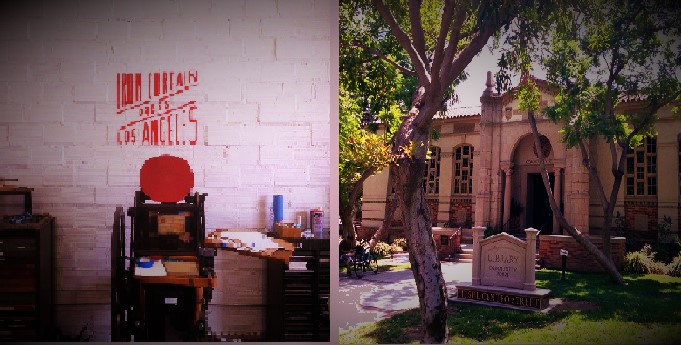
Please join us for our annual meeting in the community room of the much beloved South Pasadena Library. This year, the American Printing History Association’s Southern California Chapter is proud to present a talk from local letterpress printers Rosanna and Joel Kvernmo of the Iron Curtain Press. Founded in 2007 in Seattle, Washington, the Iron Curtain Press has emerged as a widely successful twenty-first century commercial letterpress. Their work has been sold in several countries, in more than twenty states, and in scores of shops in dozens of cities across the nation. The two printers have been covered by Uppercase Magazine, Assemble, Brown Ink, and Bunch Magazine among others. We are pleased to have the Kvernmo team speak about their experience running a commercial letterpress operation in the digital age.
Chapter Elections
Prior to our guest speaker and reception, the SoCal chapter will be holding elections for the next two-year term. There will be some important changes to come, as this year we will be electing a new Chapter President, Treasurer, and Membership Chair. We will also be voting to re-elect the Program Chair and Secretary for a second term.
Candidate for President: Jessica Holada
Candidate for Programs Chair: Jesse Erickson (2nd term)
Jesse R. Erickson has been a member of the American Printing History Association since 2007. He first joined the association as a community college student with an ardent desire to study in the tradition of academic bibliography and pursue a career in rare book librarianship. He became a member with the intention of improving his knowledge in the history of printing mechanics and to become better acquainted with the local network of Los Angeles printers and print enthusiasts from across the nation. In 2011, in keeping with his mission, he presented a paper on blackletter and graffiti at APHA’s Printing at the Edge conference. And he has been serving as Program Co-Chair for the Southern California Branch since January 2014 and Program Chair since August. During that time Mr. Erickson has helped to organize a number of new events including a street sign tour with Paul Shaw, a visit from Janusz Tryzno of the Book Arts Museum in Łódź, movie night on the Clark Library lawn, and a showing of black press books at the California African American Museum.
Jesse R. Erickson received his MLIS from UCLA in December 2014; and he is currently a candidate in the doctoral program in Information Studies at UCLA’s Graduate School of Education and Information Studies. His research focuses on the use ethnobibliography as a method for looking at literacy practice in relation to African American print collections in special collections libraries. His recently published (2013) study, Revolution in Black: Black American Alternative Press and Popular Culture at the End of the Twentieth Century, for example, offered an analysis of the more nuanced relationship between typography and racial identity. Additionally, he has previously worked at institutions such as the Getty Center and the Charles E. Young Research Library, as both a research assistant and a library assistant. His interests include ethnobibliography, African American publishing and printing, early California printing history, and Ouidiana.
Candidate for Membership Chair: Alexander Justice
Alex Justice is a Reference and consulting librarian at Loyola Marymount University. His current research involves 18th century English bookbinding, mainly in London. He is also interested in social history of cattle, Scottish Gaelic studies, small language conservation, language rights, and Celtic and Romance languages and history.
Candidate for Treasurer: Michael Powe
Owner of Michael Powe Graphic Design in Torrance, CA, Michael Powe develops branding and marketing material for real estate professionals associated with Coldwell Banker, Keller Williams, REMAX and independent firms from the South Bay and West Los Angeles area. He has created logo designs and consistent marketing material such as letterhead/envelopes, business cards, signage and presentation portfolios, direct marketing, brochures and postcards, magazine and newspaper advertisements. He also creates and produces marketing and collateral material for medium size companies, non-profits and governmental agencies throughout the Los Angeles Area. Works directly with marketing managers and corporate officers.
Michael studied at Cranbrook Academy of Art, Bloomfield Hills, MI with Connor Everts, graduated with a Masters of Fine Art (M.F.A.) degree, ’78 and Wayne State University, Detroit, MI graduated with a Bachelor of Fine Arts (B.F.A.) ’73 and a Masters of Art in Art (M.A.) degrees ’76. He taught at Marymount California University, Palos Verdes, CA, El Camino College, Torrance, CA and Pasadena City College, Pasadena, CA, North Dakota State University, Fargo, ND and University of South Dakota, Vermillion, SD.
Michael volunteers as a docent at The International Printing Museum, Carson, CA conducting demonstrations and producing graphics for the Museum and has been an active member of the American Printing History Association, Southern California Chapter for the past year and is looking forward to the 2016 year.
Candidate for Secretary: Mike Garabedian (2nd term)
Mike Garabedian is the Collections Management Librarian at the Wardman Library of Whittier College where he catalogs monographs, answers reference questions, develops and builds collections and promotes the library’s services through social media. He has particular interests in the bibliophilic history of Southern California and is currently co-authoring a book on the history of Whittier.
The meeting will be held at the South Pasadena Public Library’s Community Room:
1115 El Centro St, South Pasadena, CA 91030
RSVP Today @ https://www.eventbrite.com/e/annual-membership-meeting-tickets-20138721458
We look forward to seeing you all there!
recent activities
J. Ben Lieberman Lecture
The WunderCabinet: The Curious Worlds of Barbara Hodgson & Claudia Cohen by Barbara Hodgson
Tuesday November 10, 2015 at 6:00 pm
As collectors of knowledge & objects, writer and artist Barbara Hodgson and bookbinder Claudia Cohen yearned to possess their very own cabinets of curiosities. While accumulating specimens that would go into such cabinets, they pondered the organization of their collections into facsimiles of 16th-to-18th-century Wunderkammern. When one of them raised the seemingly impossible idea of creating an edition of thirty cabinets, the challenge was irresistible. The result is The WunderCabinet, with its collection of objects of curiosity that examines humankind’s passion for accumulation and display. Barbara Hodgson will speak about producing The WunderCabinet, from early discussions, to research and organization, to the fascinating practicalities of paper, printing, and binding.
*A copy of The WunderCabinet will be on display.
Barbara Hodgson is a book designer and the author of over a dozen books. In addition to The WunderCabinet, her collaborations with bookbinder Claudia Cohen include The Temperamental Rose, After Image, Occupied by Colour, Around the World in Colour, Cutting Paper, Suminagashi, and Decorating Paper, all published by Heavenly Monkey Editions.
UCLA Charles E. Young Research Library Main Conference Room
Free and open to the public
Reception to follow
Directions and parking: www.ucla.edu/maps-directions-parking
Please RSVP by November 6 to: 2015liebermanlecture@gmail.com
We look forward to seeing you on the 10th!

Summer Book Club, part 2
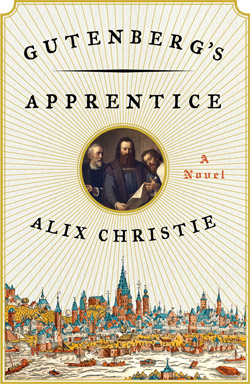
Saturday, September 19, 2015 @ 10:0am International Printing Museum, Carson, CA
Ever wondered about the mechanics of typecasting? Are you curious about early modern printing technology? Have a love for books and print? Perhaps you’re a reader of historical fiction? If you have been nodding yes to any of the above, then you’ll be really excited to join APHA on Saturday, September 19th, for the final installment of our summer book club!
As a complement to this year’s summer read—Alix Christie’s debut novel, Gutenberg’s Apprentice—see a live demonstration of typecasting and handpress printing from the time of Gutenberg at the International Printing Museum. Even if you didn’t get the chance to read the novel, it’s a perfect way to close the summer season. We at APHA are so happy to offer this event free of charge, but space is extremely limited. Please RSVP and get your ticket today!
When:
Saturday, Sept. 19, 2015
10:00am – 12:00pm
Where:
International Printing Museum
315 West Torrance Blvd, Carson
RSVP: https://www.eventbrite.com/e/summer-book-club-at-the-printing-museum-tickets-18568299283
Summer Book Club, part 1
Everyone loves a good summer read, especially when it’s about printing. This summer the Southern California Chapter of APHA is offering a participatory reading experience with Alix Christie’s debut novel Gutenberg’s Apprentice as our book of choice. Journalist, printer, and critic, Alix Christie ventures into the world of historical fiction with her recent novel about the making of the 42-line Bible and the personal and professional relationships between Gutenberg, Peter Schoeffer, and Johann Fust. With a historical subject that is well-known for being as convoluted as it is compelling, the novelized version of the story should definitely be an entertaining read for print enthusiasts. Christie is the keynote speaker at APHA’s 40th annual conference: “Printing on the Hand Press & Beyond,” scheduled for October 22-24, 2015 in Rochester, New York. Reading the novel is a great way to warm up for our national proceedings.
You can start reading right away and join-in at our upcoming summer reading discussions! Our first group discussion will be held at 11:30 am on Saturday, August 1 at the Literati Cafe.
12081 Wilshire Blvd, Los Angeles, CA 90025
We encourage that you buy locally, or take advantage of your public library…
Thursday, august 6, 2015 and Thursday, August 13 2015 @ 5:30pm
Presenting the Annual APHA & CalRBS Movie 2015
The Southern California Chapter of the American Printing History Association has partnered with the California Rare Book School in the past to bring you rarely screened print-studies films, such as Proceed and Be Bold! featuring Amos Paul Kennedy, the famed Helvetica, and Stephen Fry’s documentary The Machine that Made Us.
This year, we’re proud to present Linotype: The Film. Released in 2012, this feature-length film explores the impact of a machine that propelled type-casting into the future when it was invented by Ottmar Mergenthaler in 1886. The linotype machine was used for newspapers, magazines and posters from the late 19th century to the 1970s, until it was largely replaced by offset lithography. Thomas Edison called it the Eighth Wonder of the World and here’s your chance to find out why.
The screenings are free and open to the public. Paid parking is available. Refreshments will be served.
GSEIS Building, Room 111, University of California, Los Angeles
For maps, directions, and parking: http://www.ucla.edu/maps-directions-parking/
For information on CALRBS: http://www.calrbs.org/
wednesday, August 19, 2015 @ 1:30pm
Los Angeles Times Printing Plant Tour

APHA SoCal is really excited to bring you a special one day only afternoon tour of the Los Angeles Times Olympic Printing Plant. Come check out what goes on in what is reputed to be the nation’s largest printing plant. The Times Olympic plant in Los Angeles is an absolute juggernaut. Together with its sister plant in Costa Mesa, it is noted to be a part of one of the largest investments in newspaper production in the country. This is a rare opportunity for us to learn about some of the more recent developments in the history of print. On this tour, we will have the chance to see internal printing operations of The Times and look at their latest in printing technology.
Tickets are free, but space is strictly limited to 15 guests! Don’t wait to get your ticket, or you might miss out on this very special event.
RSVP by August 10, 2015 at https://www.eventbrite.com/e/los-angeles-times-printing-plant-tour-tickets-17775343531
saturday, march 21, 2015 @ 11am
Kerning Krenshaw / South L.A.
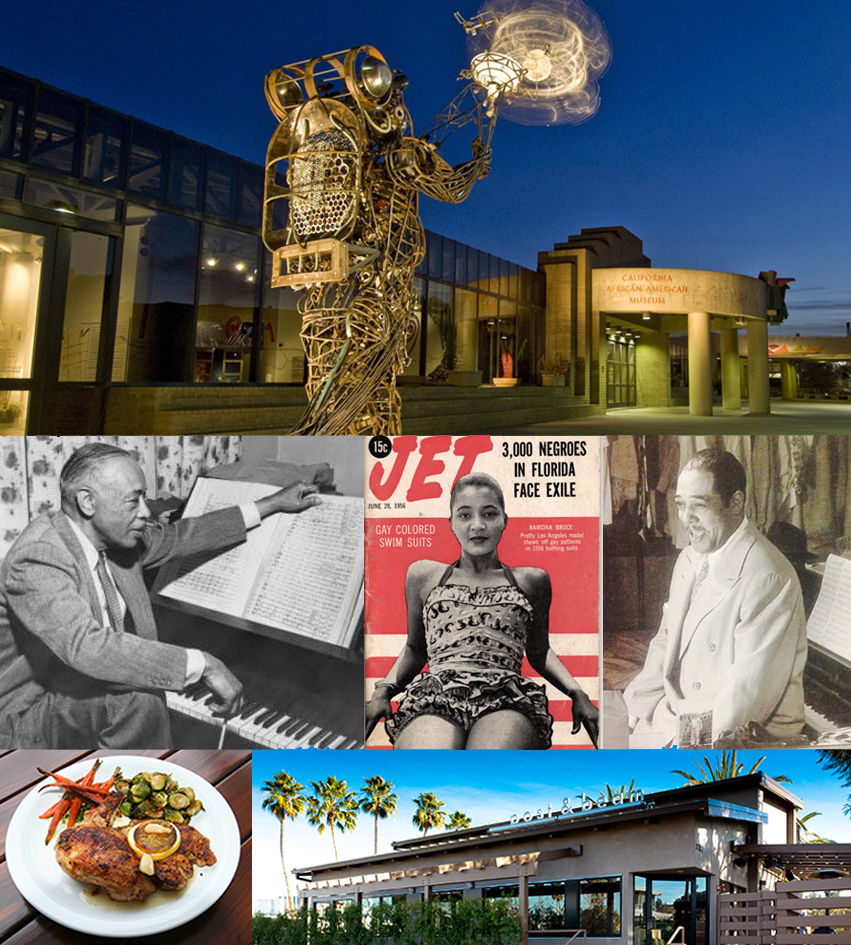
On Saturday, March 21st, come explore African American print culture with APHA SoCal! Denise McIver, research librarian at the California African American Museum, will provide our group with a private viewing of some their rare African Americana. Following the viewing, our car pool will caravan over to The William Grant Still Arts Center where we will view their current exhibit on legendary jazz pioneer Duke Ellington. The exhibit, which focuses on this prolific master composer’s “relationship with documentation and performance,” is scheduled to feature an array of interesting print ephemera such as concert posters, magazines, and album covers. Afterward, we’ll have a chance to enjoy local South L.A. cuisine at Post & Beam in Baldwin Hills.
11:00am @ California African American Museum Research Library
Exposition Park, 600 State Drive, Los Angeles, CA 90037
In operation since 1981, the California African American Museum (CAAM) has three sizeable exhibition galleries, a courtyard, a conference center, a research library, and a number of other educational spaces within its facilities. We will be visiting the research library during our visit. The CAAM research library houses an impressive collection of more than 20,000 items on black history which, for the most part, is fully accessible to researchers. CAAM librarian Denise McIver will guide us through a viewing of nineteenth and twentieth century black press literature and ephemera from the CAAM research collection, after which members will be welcome to take a self-guided tour of the museum’s current exhibits. *** Please plan on arriving early as the tour will begin promptly at 11AM. We will meet at the museum entrance. Admission is free. Parking for CAAM is located at W. 39th Street and S. Figueroa Street, and is $10 per vehicle. Car pool is suggested. Click HERE for directions.
1:30pm @ The William Grant Still Arts Center
2520 West View Street, Los Angeles, CA 90016
The William Grant Still Arts Center (WGSAC) is named after the late African-American composer of classical music, Dr. William Grant Still (d. 1978). First established in 1977 by Los Angeles City Councilmember David Cunningham and Hakim Ali, the WGSAC has since emerged as both a creative local exhibit space for black history and culture and an educational center for the local community. WGSAC programs include an annual Black Doll Show, the African-American Composers Series in history and music education, and community curated exhibitions. We will be touring the exhibit Love You Madly – A Portrait of Duke Ellington. Here we will get the chance to look at rare ephemera, magazine articles, and concert posters on display from Alden Kimbrough’s collection of Ellingtonia. *** Please note that due to Metro train construction, Crenshaw Blvd. is closed south of Rodeo. We suggest the following route: from the Grant Still Center, head east on Adams to Buckingham. Take a right and head south on Buckingham for about 11 blocks. After crossing MLK, continue for 5 blocks until Santa Rosalia. Turn left on Santa Rosalia and after Marlton, make the first left into Baldwin Hills/Crenshaw Plaza. Post & Beam sits by itself near that entrance, next to the Debbie Allen Dance Studio.
3:30pm @ Post & Beam
3767 Santa Rosalia Drive, Los Angeles, CA 90008
The comfort of soul food is fused with California seasonality at Post & Beam in the heart of Baldwin Hills, our designated lunch destination for the day. Showcasing the restaurant’s ethos of embracing locally sourced ingredients, Post & Beam utilizes its onsite garden and the South Central Farmers’ Cooperative to create a Southern-inspired menu.
Thursday, February 5, 2015 @ 7PM
Book Art Museum @ BookArtsLA

The Book Art Museum from Łódź, Poland is the recipient of the 2015 American Printing History Association’s (APHA) Institutional Award. We are pleased to welcome one of the Museum’s founders Jadwiga Tryzno, who will present the Museum and its works and discuss the state of book arts in Poland.
The Museum, which for the last 20 years has been “squatting” in an abandoned villa in Łódź, has made an extraordinary contribution to the preservation of the art of fine printing. In a country where historic printing techniques were almost eradicated under communism, it collects and restores vintage printing equipment, cultivates printing skills, and performs outreach to the community. Over the last 35 years the Book Art Museum has issued over 30 high-quality artist’s books in limited runs, including Second Space with the poem by Czeslaw Miłosz (2011), and Zbigniew Brzezinski’s Bibliography and Drawings (two editions, 1993 and 2013). Their most recent work Step By Step Printing SUPREMATISM, consists of a letterpress rendition of an English translation of a 1920 manifesto by Casimir Malevich and 49 lenticular prints inspired by Suprematism.
This event will be hosted by BookArtsLA, a fairly new venue located in West LA dedicated to bringing the beauty of printing, binding and the collecting of handmade books to the public. The 1600 square foot workspace houses letterpresses, a bindery, and holds workshops on a regular basis.
This event is free and open to all. Kindly RSVP to RSVP@aphasocal.org.
recent activities
SATurday, January 10, 2015 @ 1 PM
Annual Membership Meeting
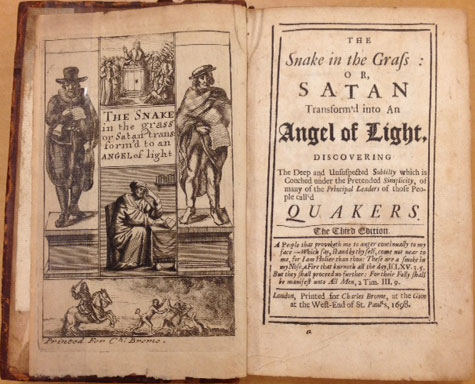
Please join us on Saturday, January 10th, at 1PM for our annual membership meeting. This year, we will be meeting at Whittier College in the Nixon Room of the Wardman Library. After the business portion of the meeting, we will be treated to a viewing of early printer Quaker materials that were recently donated to the library. We’ll also be asking for ideas for upcoming programming. If there’s something you’d like to do or see or have suggestions on how we can make your membership more meaningful, please come to the meeting.
If you haven’t renewed your membership, or haven’t officially joined the Chapter, now is your chance to come see what we’re all about!
Bonnie Bell Wardman Library
Whittier College
7031 Founders Hill Road
Whittier, California
(562) 907-4247
Saturday, November 8, 2014 10:00 AM – 1:00 PM

Walk This Way, Sign This Way:
Downtown Los Angeles Lettering Walk with Paul Shaw
Here in los angeles, we call it the Downtown renaissance. Over the past decade or so, Historic Downtown Los Angeles has been revitalized with a youthful new population that has brought with it a resurgence of fashion, culture, and the arts. Fortunately, vestiges of Downtown’s former glory remain throughout the cityscape, giving it an added charm that still manages to draw new visitors and new residents alike. That’s why in our third installment of Downtown-centered events, APHA is excited to welcome nationally renowned letter expert Paul Shaw for a private walking tour of the city’s lettering legacy!
Designer and design historian Paul Shaw has enjoyed a career of more than three decades writing, researching, and teaching about the history of graphic design and typography. Having worked as a designer for both commercial establishments and public institutions, Shaw’s lettering experience and knowledge of the history of typography gives him an intimate understanding of civic and commercial street signage. As our special guide, he will take us on a civic sightseeing adventure that is sure to bring the magic of urban lettering alive in all its multifarious splendor.
Ever wondered about terrazzo letters? Ever been curious about differences in the production and design aspects of old metal, plastic, and vinyl street and store signs? Ever thought about the appeal of neon signage; whether it’s all gas and glow, or something more? If so, then this is your kind of tour. Space is extremely limited, so you’ll definitely want to mark your calendar now and reserve your place before it’s too late.
This ticketed event is open to both APHA and non-APHA members.
Register at https://paulshawletteringwalkla.eventbrite.com
Volunteers needed for APHA SoCal table at the
6th Annual Los Angeles Printers’ Fair on 10/4
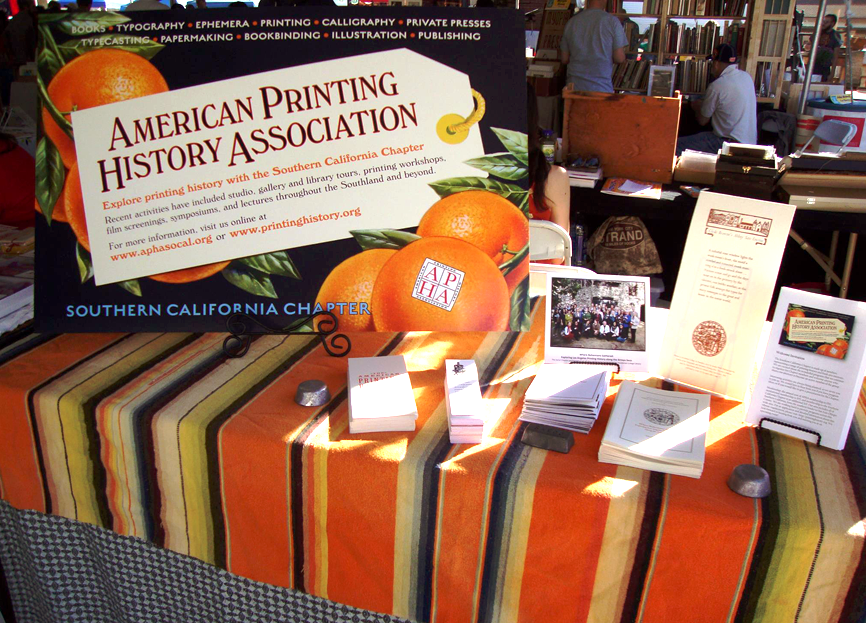
As the Los Angeles Printer’s Fair approaches on Saturday, October 4, 2014, the Chapter is looking for volunteers to staff our booth. Volunteers will have opportunities to meet many interesting fair visitors and vendors, discuss printing history interests, and work on a tabletop Albion handpress.
This fun and lively event, which is held at the International Printing Museum in Carson all day on Saturday, from 9 am to 4 pm, brings out a growing community of book arts and printing enthusiasts for a fun day of buying, selling, and printing. It’s also a great chance to promote the organization and meet new friends. So join us for an hour (or even two), assist visitors in printing their own keepsake on an Albion hand press [no previous experience required], and spend some time with living history.
Note: As a special bonus this year, current APHA members who work 2 (or more) hours at our table, will receive complimentary admission to the fair.
For more information about the Fair, please see: http://www.printmuseum.org/
The Museum is located at 315 W. Torrance Blvd., Carson, CA. There’s free parking in the Kmart lot across the street. Food and drink is available for purchase and don’t forget to bring cash for the raffle prizes!
We’ll try to schedule two people per shift. To reserve your slot(s) at the table, please contact us by Thursday, October 2nd: info@aphasocal.org
Available Shifts:
8-9 (set up), 9-10, 11-12, 12-1, 1-2, 2-3, 3-4, 4-5 (wrap up)
SUNDAY, SEPTEMBER 28, 2014 4:30 PM – 10:00 PM
Liberi Liborum
A Print Culturist and Designophile Mixer

APHA’s kicking off its fall season with a second installment of its recent line of Downtown-Centered events. This time, it’s purely a book and design lovers meet and greet style mixer. On Sunday, the 28th we are encouraging chapter members, supporters, and friends to look us up on Facebook and Twitter and come and meet up with us throughout the evening for a group of sessions aimed at getting to better know each other. We’d love for you to come and share your bibliophilic passion, your typophilic enthusiasm, and your love of design with others who can also understand the resiliency and relevance of print and design in today’s society.
Activities will include Session Sol (4:30 to 6 pm) at The Last Bookstore. An ice-breaking session at The Last Bookstore on 5th and Spring St. Get lost upstairs in the book labyrinth, then select a dollar book, a special volume, a periodical, or a zine or something of that nature and come and discuss your selection with the group. Let us know what the choice conveys about you.
Session Vesper (6 to 7 pm) at Spring Street Crawl. Call it an evening? Or join us for a nosh at the recently redeveloped Spring Street strip (in between 5th and 7th street) where you will have some free roaming time to indulge in the local cafes and eateries. This newly re-branded downtown community hub is home to a number food and beverage choices, tobacconists, tea sellers, fashion boutiques, and, of course, there’s lots of character to go around at this new Los Angeles “hang.”
Session Nyx (7 to 10 pm) at The Library Bar. Say goodnight to the group there? Or finish off the mixer with a nightcap of your favorite beer or cocktail at this unique bar that was tailor-made for book people. APHA is closing our first full-fledged mixer at Downtown’s Library Bar. It’s a bar with low lighting, but high intensity. It’s a dynamic ambiance for imbibing that’s crowned by a mock library with real books!
This event is free and open to all. RSVPs are encouraged, though not required. RSVP HERE
SATURDAY, JUNE 7, 2014 10AM – 4PM
To Print and Dine in L.A. – Touring Print and Design in Historic Downtown Los Angeles
Join us for a taste of L.A. history! This daylong tour will take us from the archives of the Los Angeles Central Library’s celebrated menu collection, followed by an opportunity to dine at Cole’s, home of the famous French dip sandwich, located since 1908 in the hollow of the Pacific Electric Building. We’ll end the day with a visit to artist and native Angeleno Dave Lefner at his home and studio at The Brewery, the world’s largest artist colony and former site of the Pabst Blue Ribbon Brewery. We’ll have a chance to learn about the unique art of reduction linoleum block printing and view Dave’s incredible Los Angeles-focused body of work featuring photorealist depictions inspired by vintage signs and the surrounding urban landscape.
Space is limited. Please RSVP by June 5th to RSVP@aphasocal.org
Detailed directions and additional information will be sent to those who register.
Carson, Sunday, March 16, 2014, 3:00 p.m.
The Versatile Vandercook
Join Paul Moxon for a talk about the Vandercook and other brands of hand-operated flatbed cylinder presses and their transition from essential printing plant equipment to their repurposing as a highly desirable book arts tool. Paul will present a slide lecture and we’ll have a chance to look at some Vandercook models in action at the International Printing Museum. Paul is a studio letterpress printer, itinerant teacher and author of “Vandercook Presses: Maintenance, History and Resources.” He is also website editor in chief for the American Printing History Association, a recent Newberry Fellow and a former Rare Books School Fellow.
International Printing Museum, 315 W. Torrance Blvd.Carson, CA 90745
RSVP by March 14th to info@aphasocal.org
Website and map for the Printing Museum: http://www.printmuseum.org/
Detailed directions and more information to those that RSVP
Admission price: $8
APHA members: FREE
santa monica, feb. 15, 2014m 2:00 p.m. free!
Pilgrimage to the Church of Type
Join the Southern California chapter of APHA for a visit to the recently relocated Church of Type in Santa Monica, CA. Founded two years ago by Kevin Bradley, the Church of Type specializes in typographic posters and broadsides printed from wood and metal types. Kevin started his career at Hatch Show Prints before founding Yee Haw Industries in Knoxville, Tennessee seventeen years ago. Now headquartered in Southern California, Kevin continues to redefine the way we think of letterpress. During this visit, we’ll have the chance to see his shop, marvel at his amazing collection of type, and view a wide range of his letterpress printed work. There will be a chance to buy some posters too!
Space is limited. Please RSVP by February 13th to info@aphasocal.org
Pasadena, Feb. 7-9, 2014
Southern California Chapter at the 47th Annual Antiquarian Book Fair
Come stop by to say hello as you browse through an international selection of antiquarian books, ephemera, fine press printing, and modern firsts in the Pasadena Convention Center this weekend. A number of local special collection libraries and like-minded organizations will be there too. It’s a celebration of Shakespeare’s birthday and there will be a book signing and panel discussion, along with exhibits and a chance to shop until you drop. For admission price and more info: http://www.labookfair.com
Carson, Saturday, October 5, 2013
5th Annual L.A. Printers’ Fair at the International Printing Museum
Once again, the Southern California Chapter will be at the Fair. Stop by the Chapter’s table to say hi and pick up some goodies while enjoying a day of printing and book arts at this popular event.
Stay tuned for details on our Annual Membership meeting & officers’ election later this year!
Our trip to the Bay Area
What follows is a brief summary of the Southern California chapter’s field trip to the San Francisco Bay Area on July 19 & 20, 2013 coinciding with APHA’s annual Lieberman Lecture held at the San Francisco Public Library on July 20th. We thank everyone that came and especially those that made the weekend an overwhelming success: Randal Brandt, Peter Hanff, Mary Morganti, Jaime Henderson, Alastair Johnston, and in particular, John McBride and Kathleen Burch. Thanks to the staff at the Bancroft Library, the California Historical Society, the San Francisco Public Library, and the San Francisco Center for the Book.
If you were there and took photos, we’d love to add them!
1. Friday, July 19thBancroft Library Tour, UC Berkeley
We met our hosts, Peter Hanff (Deputy Directory of the Bancroft) and Randal Brandt (Principal Cataloger) at the library’s security desk. We were escorted upstairs and into the Bancroft Library Press Room, a well-lit space outfitted with three Albion presses (two of them are tabletop presses). Peter explained that the Bancroft Library was begun in 1863, by its namesake, Hubert Howe Bancroft, a book dealer in San Francisco who began collecting in earnest after realizing that some early materials were unique, ephemeral, or overlooked. Understanding that his accumulated collection was an important source of California (and western) history, and unable to find a publisher, he dedicated himself to a project that took almost 30 years and resulted in a thirty-nine volume history. He sold his collection to the University of California, making it the core collection of the library. Rare book acquisition began in 1954 under the aegis of the English Department.
Paper mould from Book Artifacts Collection
In the Press Room, we were shown some of the typecases (filled with University of California Oldstyle, the proprietary face designed by Frederic Goudy in 1938), as well as a Reliance press and the Albions mentioned above. The Bancroft was given the handpress by Roger Levenson, an instructor in Berkeley’s school of library and information science. Bancroft’s former director, James Hart, suggested teaching a class and Frances Butler was recommended. Since Butler didn’t have experience using the hand press, she enlisted the aid of Alastair Johnston. This, by the way, is how Butler and Johnston met and Poltroon Press was formed. Wesley Tanner was later hired after creative differences forced Frances and Alastair to move on. Today, graduate and undergraduate students have the opportunity to take a class “The Hand Printed Book in its Historical Context”, a hands-on history course taught by Les Ferris.
Our group was then introduced to David De Lorenzo, Associate Director and Head of Technical Services. David had prepared a sample of items from the Bancroft’s Book Artifacts Collection. This teaching tool of over 5,000 items spans the history of communication and the transmission of the written word. Ranging from cuniforms to Apple computers, the collection was started over 50 years ago and organized by former rare book librarian, Leslie Clark. The collections are organized and described individually but until now, only searchable in the Bancroft’s notebooks. With a grant from the Gladys Krieble Delmas Foundation, the records can now be explored through the Online Archive of California. We were particularly impressed by the range of materials we saw Friday afternoon: engraved music plates, quill pens, John Henry Nash’s paper mould, and early brass bosses and corners. We then stopped in the Reading Room to see how scholars are currently using the collections for their own research and projects. The afternoon at the Bancroft wrapped up with a fascinating behind-the-scenes tour of the Technical Services area where we could see the numerous objects being cataloged, processed, and preserved by the Berkeley librarians.
For more information on the Bancroft and its collections:http://bancroft.berkeley.edu/
2. Friday evening
Michael Burke & Dominic Riley, San Francisco Center for the Book
Our timing to the Bay Area coincided with a previously planned lecture with Michael Burke and Dominic Riley at the San Francisco Center for the Book’s new space in Portrero Hill. Michael discussed some of his recent research with the Fountain’s Abbey manuscript collection held at the British Library–specifically, how these manuscripts were collated, bound, and attached to boards, and how developing book production required faster methods of bookbinding. Dominic won first place in this year’s prestigious Designer Bookbinders International Competition for his work and the audience was treated to a number of slides of his beautiful bindings.
The next day’s rendezvous was at the California Historical Society. We met Mary Morganti, the Director of the Library and Archives. She gave us a brief introduction to the CHS before leading us into the library. We were welcomed by the library’s archivist, Jaime Henderson and printer, scholar, and CHS volunteer, Alastair Johnston. The items we were shown are part of the Kemble Collection of Western Printing and Publishing. This amazing resource was given to CHS in 1964 by the Society’s former president, George Harding and named in honor of California printer and publisher Edward Cleveland Kemble (1828-1886). Harding’s original gift of his printing and publishing library was quickly augmented by William E. Loy’s typographical library, and the business archives of San Francisco printing firm Taylor & Taylor. It continues to grow and is available through the library’s catalog and through the Online Archive of California (http://www.oac.cdlib.org/institutions/California+Historical+Society).
Mary, Jaime, and Alastair had picked out some of their favorite items and publications that they knew would be of particular interest to the group. The samples were pulled from both the type specimen and ephemera collections. We were shown Moxon Chappel publications, Strathmore Paper color samples, sample books of printed postcards, half-tone plates used for printing postcards, reference books relating to the business and mathematics of printing, invoices and bill heads for San Francisco-based companies, numerous type specimens from Loy’s collection, brochures from Nelson C. Hawks (the inventor of the modern point system and founder of the Pacific Type Foundry), and archives from Taylor & Taylor including work dockets, work logs, and salary information. The Kemble Collection is an invaluable resource to everyone interested in printing history. More than one of us decided that working at CHS is our new dream job.
For more information on CHS and its collections (http://www.californiahistoricalsociety.org/)
4. Saturday afternoon
Lieberman Lecture, San Francisco Public Library
This year’s Lieberman Lecture was given by David Pankow, former curator of the Melbert B. Cary, Jr. Graphic Arts Collection at Rochester Institute of Technology in Rochester, New York. His talk, entitled Reproductive Arts in America: Lithography Challenges Letterpress, provided a technical, yet accessible background on the development of color lithography and how it superseded letterpress as a viable commercial process. This excellent lecture will be fully reviewed in APHA’s next newsletter.
David’s talk was followed by a reception in the library’s Skylight Gallery where we were able to see an exhibition from the Hand Bookbinders of California. Andrea Grimes and Lisa Dunseth, librarians in SFPL’s Books Arts & Special Collections department, pulled some of the books that David mentioned in his lecture so that we could see them up close and personal. Here’s a link their blog post about the event: http://sfhcbasc.blogspot.com/
5. Saturday evening
Northern CA/Southern CA chapters mixer
San Francisco Center for the Book
Saturday wrapped up at the San Francisco Center for the Book where we were treated to a supper buffet, hosted by APHA’s Northern California Chapter. John McBride and Kathleen Burch orchestrated a great party that gave us a chance to meet other APHA members and printing history enthusiasts. APHA’s President, Robert McCamant, was in attendance. He wins the award for Fearless Leader since he flew out from Chicago specifically for the Lieberman Lecture and for the mixer, then turned around and flew back to Chicago the same day!!
We were also able to linger over the SFCB’s current exhibitionDruckworks: Forty Years of Books and Projects, a retrospective of works by our very own Johanna Drucker. The plates and glasses were filled well into the night and the bonds between the chapters have definitely been strengthened. The Northern California chapter will be meeting in August to plan future programs and hold an election for officers. We hope that one of their activities will be field trip to Southern California!
A couple of us made a stop at the Book Club of California on Friday morning to see the exhibition curated by Kathleen Burch & John McBride. The Legacy of Florence Walter, featuring features forty-five fine design bindings that Walter’s family has treasured for many decades. Her working sketches, photographs, keepsakes, and other printed works, as well as a portrait of Walter were on view.
Our trip to the San Francisco Bay Area was fun and educational. We couldn’t have asked for better weather, and we got to see amazing collections and meet new friends. We were glad to see that the trip attracted folks from Southern California, Northern California, and Salt Lake City!
November 5, 2011
Amos Paul Kennedy, Jr.: Putting Ink on Paper
Archetype Press, ACCD
950 South Raymond Avenue
Pasadena, CA 91105
The 120 Group at Art Center College of Design in association with the Southern California chapter of the American Printing History Association present a workshop and talk with Amos Paul Kennedy, Jr.
October 14–15, 2011
Printing at the Edge: 36th Annual Conference
UC San Diego
What have been the transformative moments in printing history that have changed the direction of printing, typography, papermaking, bookbinding, or book design, and moved us to a new edge? What are today’s frontiers? Where is tomorrow’s edge?
October 1, 2011
3rd Annual LA Printers’ Fair
Carson, CA
The Southern California Chapter had a great time at the 3rd Annual LA Printers’ Fair. This annual event, held at the International Printing Museum in Carson, was a great way to promote APHA and the activities of our chapter, say “hi” to old friends and meet some new ones. Thanks to the Museum, attendees got a chance to pull a print on a 19th century tabletop Albion.
September 18, 2011
Printer’s Picnic!
Kenneth Hahn State Recreation Area
Baldwin Hills, Los Angeles
Pack your baskets, shake out your blankets and join us for a family-friendly picnic in beautiful Kenneth Hahn State Recreation Area! We can’t promise sunshine (although there’s a very good chance it will be a beautiful day), but we can promise beautiful views and fun times on the lawn. There will be recreations to challenge both the head and the hand. Games such as “Time-the-Type sticker”, “Who’s That Printer?”, and “My Favorite Bibliophile” guarantee a fun time for all. A grand prize will be awarded to the person with the most points.
June 18, 2011
Visit to Ninja Press
Sherman Oaks, CA
Founded in 1984, by book artist and APHA member Carolee Campbell, the Ninja Press imprint is a mark of creativity, excellent craftsmanship, and exquisite artistry. With over 40 books and broadsides in her portfolio, Carolee has interpreted prose and poetry of both contemporary and historical authors. She lectures extensively and has had two major retrospective exhibitions of her work which is collected by libraries throughout the world. The Ninja Press archive is held in the Davidson Library Special Collections Department at the University of California, Santa Barbara.
June 13, 2011
APHA Student Memberships Awarded
Thanks to the generosity of several APHA Southern California Chapter members, I am pleased to announce that we have conducted our first-ever student membership drawing. We are happy to welcome seven new members to our group of printing history enthusiasts. Burgeoning printers and future print culture scholars, no doubt.
Jeffrey Kang (Claremont McKenna College)
Chelsea Herman (San Diego State University)
Andy Hernandez (Otis College)
Patrick (Mac) Schoen (Occidental College)
Alexandra Talleur (Scripps College)
Naomi Tarle (San Diego State University)
Jessica Thomas (UCLA)
Congratulations! These students were nominated based on their sincere interest in printing history and active participation in college and university printing programs. Thanks to the faculty for nominating them.
Student memberships will be activated at the beginning of October so they may attend at a discount Printing at the Edge: 36th Annual Conference at UC San Diego, October 14-15, 2011. The chapter will be organizing a book fair as part of the conference, in addition to screening the documentary Proceed and Be Bold, all of which are free to conference attendees. Student members will also receive the bi-annual journal Printing History, discounts on other APHA publications and workshops, a one-year membership in 2012, plus three bonus membership months in 2011 (“The Twofer”).
May 14, 2011
Visit to Clementine Press
Koreatown, Los Angeles, CA
Recently expanded, Clementine Press was started in a studio apartment with a few cases of type, a Chandler & Price Pilot press and a Showcard Signcard proof press. That was 1998. Thirteen years later, proprietor and APHA member, Richenda Brim, continues to create cards, prints, broadsides, and a growing catalog of artist’s books on that very same equipment.
A group of 6 APHA members (and one guest) were able to see a variety of projects in the works at Clementine Press that day. Richenda explained how she got started – her interest in artists’ books and early printed books prompted her to try her hand at printing. She started with a Gocco printer, but quickly realized that letterpress was in her future. To that end, she studied with all the greats: Carolee Campbell, Mary Laird, and Kathy Walkup in the Bay Area and took bookbinding classes at Paper and Book Intensive and at the Penland School of Crafts in North Carolina. When she returned to her native Los Angeles in 1998, Richenda bought her C&P press “from a very nice man in Toluca Lake for a very nice price”, and shortly doubled her press count by purchasing a Signcard press. We got to see past and current projects during our visit. She explained how she printed a line of drink coasters using found magnesium plates. On view were not only her charming and ingenious prints using a combination of wood and metal types, polymer plates and press furniture, but books and periodicals featuring her work as well. We also had to chance to see her current book project and samples from her bookbinding classes. Examples of her work can be seen (or bought) at her Etsy shop.
April 16, 2011
Press Crawl in San Diego
In anticipation of APHA’s 36th Annual Conference this October, the Southern California chapter convened for a day of informative fun and the chance to see what’s happening in San Diego.
Thirteen members from various points in Southern California – the Basin, the Inland Empire, and just around the corner –met at the San Diego Union Building located in Old Town San Diego State Historic Park. This pre-fab wood-frame structure was built in Maine and shipped around the Horn in 1851. The office is restored to include a Washington Hand Press and metal type similar to that which was used when the Union printed its first edition on October 10, 1868. Gary Miller, proprietor of Iron Bear Press and current president of San Diego Book Arts; Karen Beery, the Interpretation and Education Manager of the State of California Dept. of Parks and Recreation; and Guire Cleary, Senior Park Aide at Old Town San Diego State Historic Park were there to greet us and give us some background about the newspaper and the work that has gone in to restoring the space and equipment. Although the building is not a staffed location, they do welcome volunteers and I think that you’ll be seeing some APHA members working there the next time you visit! They prepared a lovely keepsake for us that was printed on the iron handpress.
After a leisurely lunch at Coyote Café, where the tortillas were homemade and the margaritas were the size of a bathtub, we reconvened at Bay Park Press, founded 11 years ago by Sibyl Rubottom and Jim Machacek to foster the production of artists’ books and prints, and promote interest in the letterpress process. Locals can take classes or rent space to create print and book projects. The facility includes Vandercook and Kelsey letterpresses, a Charles Brand etching press, a Chandler Price guillotine and an ever growing selection of lead type. The Bay Park Press Gallery presents several print and book art exhibitions every year, representing local, regional and national artists. Jim brought out a number of artists’ books for us to look at and we also had a chance to see his recent print work that was hanging in the gallery. Bay Park Press is a lovely venue, with plenty of natural light and friendly co-op members.
Our final stop was at nearby Brighton Press, a fine press studio founded by Bill Kelly in 1985. Brighton produces limited edition artists’ books and broadsides that are designed and created through the collaboration of contemporary poets and visual artists, together with artisans in the fields of letterpress, bookbinding, papermaking, and printmaking. Bill’s partner, Michele Burgess, herself a printmaker and sculptor, was on hand to show us some of their recent work. We were impressed with their amazing attention to details and creative use of materials.
It was a gorgeous day and we are glad we could get sneak peak of the dynamic community of book artists in San Diego. APHA’s conference in October promises to be very special.
See more pictures from the San Diego Press Crawl.
February 26, 2011
Proceed and Be Bold
Playa Vista, Los Angeles (near Marina del Rey
Exact location to those who RSVP
A screening of Proceed and Be Bold! What happens when a man on the fast track in corporate America discovers a way to tell us what he really thinks. This documentary follows the adventures of Amos Paul Kennedy, Jr. who decided to give up new technology for old, rejecting a comfortable, middle class lifestyle to follow his true love, the cylinder press. This film questions many expectations of race, status, society, artistry and talent. You’ll never look at letterpress the same way again.
Decmeber 4, 2010
Annual Membership Meeting and Holiday Social
At the home of Ethan Lipton in Venice, California
APHA members joined for a fun afternoon of talking and eating (or eating and talking) while catching up on events from the past year. Thiswas our chance to voice opinions on what was successful, what wasn’t, and why, and also to provide suggestions on what we’d like to see and do in 2011. If you have been working on a project and would like to share it with the group, please bring what you have. We promise an interesting time for current members and a reason to join for potential members.
We unveiled the first draft of our Bibliographic Treasure Map giving the location of printers, binders, artists, dealers, and libraries, both past and present, which has made Southern California a booklover’s paradise.
November 9, 2010
Richard Wagener, Wood engraver
William Andrews Clark Memorial Library
2520 Cimarron Street, Los Angeles, CA
An illustrated talk by master wood engraver, Richard Wagener. Richard discussed his own work and the creative process of collaboration. A reception followed.
Richard Wagener is an artist, writer, and wood engraver. His work includes books and prints that feature the natural and manmade landscapes of California and the West. He has collaborated with Peter Koch, Bruce Whiteman, and illustrated the writings of Parmenides, translated into English by Robert Bringhurst. Under his own imprint, Mixolydian Editions, Richard produces beautifully illustrated books of his own writings.
For further information visit Richard’s website.
October 9, 2010
From Bohemia to Conceptual Writing
The symposium, “From Bohemia to Conceptual Writing: Books, presses, and publishing in the cultural life 20th century California,” took place on Saturday, October 9, 2010. This symposium accompanied the exhibit, “California and the Fine Press Tradition 1910–1970,” on view at the William Andrews Clark Library October 5–December 17, 2010.
September 16, 2010
Field Trip to Riverside!
A weekday outing to the Inland Empire where we had a chance to see some fabulous print treasures held at the University of California’s eastern campus followed by a lunch at the historic Mission Inn. Led by APHA’s very own Gwido Zlatkes, the Reference Librarian for UCR’s Special Collections, and Sara Stilley, Printing and Preservation Specialist, our group was shown samples from the Petko and Adjarian collections, as well as other treasures within UCR’s special collections library.
August 3, 2010
Johanna Drucker
“Text Visualization: What Info can learn from Biblio”
An event at the California Rare Book School co-sponsored by the Southern California Chapter of APHA
Room 111, GSEIS Building, UCLA
Johanna Drucker is the inaugural Bernard and Martin Breslauer Professor of Bibliography in the Department of Information Studies at UCLA. She has published extensively on the history of written forms, typography, design, and visual poetics within the twentieth-century avant-garde. In addition to her scholarly work, Drucker is internationally known as a book artist and an experimental, visual poet. Her book SpecLab: Digital Aesthetics and Speculative Computing was published by the University of Chicago Press in 2009.
August 10, 2010
Stories from the Annals of the Southern California Book Trade: A conversation with Kenneth Karmiole, Howard
Rootenberg, and Michael Thompson, moderated by Carol Sandberg
An event at the California Rare Book School co-sponsored by the Southern California Chapter of APHA
Room 111, GSEIS Building, UCLA
May 8, 2010
Highlights of the Paul Chrzanowski Collection of early English books
William Andrews Clark Memorial Library
2520 Cimarron Street, Los Angeles, California 90018
Head Librarian, and SoCal APHA member, Bruce Whiteman, gave an informal talk on the Clark Library’s recent receipt of 72 books famous in printing history. The earliest work, a 1479 Caxton, is the tallest existing Caxton and only one of eleven known copies. The latest, published in 1731, is the first printing of John Wycliffe’s 14th-century translation of the English Bible. Also shown were Wynkyn de Worde’s Golden Legend of 1512, the beautifully illustrated Pilgrimage of Perfection printed in 1531, Euclid’s Elements of Geometry from 1570 with movable illustrations, Lodovico Ariosto’s Orlando Furioso of 1607 with engraved plates, works from Chaucer, and parts from Shakespeare’s first folio.
April 7, 2010
Tour of UCLA’s Horn Press
with Johanna Drucker & Cocktail Social
Tour UCLA’s Horn Press, a student-run organization at the UCLA Graduate School of Education and Information Studies. Johanna Drucker, UCLA’s Bernard and Martin Breslauer Professor of Bibliography and SoCal APHA member, shared how she and her students have revitalized both the equipment and the program. We’ll learned about their adventures getting everything in place and saw some work by the students.
We then regrouped at the Bel Air Bar & Grill, a nearby restaurant for drinks and conversation. Everyone had the chance to meet fellow members and to learn about places and programs of interest to our membership. To that end, the Board members lead an informal discussion about favorite places, hidden treasures, and valuable resources throughout Southern California.
February 19, 2010
Curator’s tour of Color Explosion: Nineteenth Century American Lithography from the Jay T. Last Collection
Huntington Library, Arts Collections, and Botanical Gardens
1151 Oxford Road, San Marino, California 91108
David Mihaly, provided participants with his insight on one of the largest collections of 19th-century color lithography in the United States. Jay T. Last, founder Fairchild Semiconductor Corp., is also an independent scholar of the history of lithography. His interest in this field began in the 1970’s when he first started collecting fruit crate labels, but quickly developed to a collection of over 135,000 objects. The exhibition features more than 250 items that are on view for the first time including advertising posters, art prints, calendars, children’s books, product labels, sales catalogs, sheet music, toys, and trade cards, as well as a lithographic press.
December 5, 2009
Southern California Chapter Annual General Meeting
Huntington Library
1151 Oxford Road
San Marino, California
November 5 , 2009 at 6:30 pm
Visit to UCLA Conservation Laboratory
UCLA Conservation Lab
Westwood Village at Wilshire and Kinross
An insider’s tour of UCLA’s state-of-the-art conservation lab on Thursday, November 5th at 6:30 pm. The tour was conducted by the university’s conservator, Kristen St. John, who showed us how people, chemicals, and machines work together to preserve printing history.
October 22, 2009, 2:00–4:00 pm
Early Printing in Asia
Smith Room, Special Collections
Young Research Library, UCLA
Presentation of artifacts illustrative of Asian printing by Toshie Marra and Hong Cheng of UCLA’s East Asian Library.
September 24, 2009, 6:30 pm
100 Years in the Making: William Loy’s Nineteenth-Century American Designers and Engravers of Type
William Andrews Clark Library
2520 Cimarron St.
Los Angeles, CA 90018-2098
Lecture by Alastair Johnston on the newly-published book, Nineteenth-Century American Designers and Engravers of Type by William E. Loy, edited by Alastair M. Johnston and Stephen O. Saxe.
August 2009 Newsletter
The Southern California Chapter of APHA has several events planned for this Fall, after a summer hiatus. We did not plan any events for the summer since Kitty Maryatt was going to be in Japan for two months. We also had two unexpected resignations from the SoCal Board: Program Chairman Steve MacLeod resigned due to job pressures, and Treasurer Deborah Whiteman resigned due to a job change to Northern California. We have appointed Nina Schneider as interim Program Chair and Vicke Selk as interim Treasurer; we are so grateful to them for filling in at this time.
Future events for the SoCal Chapter include an informative lecture on by Alastair Johnston on the newly-published book, Nineteenth-Century American Designers and Engravers of Type by William E. Loy, edited by Alastair M. Johnston and Stephen O. Saxe. This talk will be held at the William Andrews Clark Library at 6:30 p.m. on Thursday, Sept. 24.
During 2008, our chapter focused on the theme of the history of the book, organized around Frederick G. Kilgour’s The Evolution of the Book. In 2009, we have tried to concentrate on early printing efforts, both in the West and in the East. To that end, we have planned an exciting event involving UCLA’s East Asian Library in October. We will meet in the Smith Room in Special Collections at UCLA. Items will be shown from the collection reflecting early printing in Asia and other fascinating artifacts. In early November, we have planned an afternoon at the UCLA Conservation Laboratory. Further planned events include a book club meeting to discuss Kilgour’s chapter on Gutenberg and a workshop at the Scripps College Press using Dale Guild’s B-42 type.
Our Annual General Meeting will be in late November where we will hold elections for the next SoCal Board members. All of the positions are available; the Nominating Committee of Susan Allen and Richard Wagener are currently arranging a slate. We hope that the groundwork that we have laid for the last three years will prove fruitful in the coming years.
Submitted by Kitty Maryatt
June 4, 2008
APHA Book Club conversations: The Evolution of the Book
The book which gives us a structure for the meetings is Frederick G. Kilgour’s The Evolution of the Book, which you can find used on Amazon for about $30. We have made a limited number of photocopies of the next two chapters, which you can request from Richenda Brim.
We discussed the first three chapters in Kilgour on the Dynamics of the Book, Incunables on Clay, and Papyrus Rolls at the recent meeting. The next chapters we will concentrate on are The Greco-Roman World, and the Codex 100-700, which includes pages 34 to 56.
We will meet again at Kitty Maryatt’s studio in Playa Vista at 7:00 p.m. If you didn’t attend the first Book Club meeting, you are still entirely welcome. And if you cannot find time to read Kilgour, you will still find illuminating conversations at our friendly gathering.
We are also planning a series of visits to collections which house artifacts which we are discussing at the Book Club. Please look for the next announcement of the upcoming visit to USC.
May 3, 2008
USC Archaeology Research Collection
In conjunction with our discussion on cuneiform tablets at the recent APHA Book Club gathering, we have arranged a visit to the Archaeology Research Collection at the University of Southern California to view cuneiform tablets. We will be led by Hannah Marcuson, a USC senior, who knows a good deal about the collection and who is an enthusiastic interpreter of tablets. These clay tablets, which are around 3000 years old, are fascinating for their use in recording all kinds of information in Sumeria, site of present-day Iraq.
The date is Saturday, May 3, at 1:15 p.m. at the USC campus in the Ahmanson Center West. Exact instructions as to parking and the building location will be sent to you upon confirmation of your reservation. We encourage carpools. Please let Richenda know if you can either drive or would like a ride to the event. You do not need to have attended any Book Club meetings to join us at this event. Reservations are limited, however.
2008 Annual Report
During the past year, our chapter has focused on the theme of the history of the book, organized around Frederick G. Kilgour’s The Evolution of the Book. We had our first Book Club meeting in March with subsequent meetings in June and August, with a final meeting planned for November but re-scheduled for early next year to complete the reading of the book. Our vision for the next year will build on this foundation of studying scripts and manuscripts from various parts of the world in order to grasp the significance of the beginning of printing in the West. Early printing in the East will be a fertile area to explore as a precursor to Gutenberg’s achievements.
We organized collections visits around subjects in the book, including a visit to UCLA’s Fowler Museum in February to view African scripts, to USC in May to view cuneiform tablets and a visit to Los Angeles County Museum of Art in September to view their splendid Islamic collection. Docent Chris Jameson led us on a fascinating tour of LACMA’s Islamic collection in September. We had mentioned our interest in lettering and books and the fact that we were reading Kilgour. She actually took the time to find and read a copy of The Evolution of the Book in order to target artifacts that would be especially germaine to our studies. Sinuously beautiful calligraphy adorned every kind of surface in the gallery and ranged from very early fritware pottery to contemporary expressive calligraphy. One repaired binding on display, removed from its book block, showed its case construction with flap, exquisite leatherwork with intricate inlaid colored leathers and delicate gold tooling. Chris even brought paper samples of geometrical constructions for tiles and examples of five different ways an Islamic calligrapher could write the same phrase. This is the gold standard for a museum tour.
Two movies rounded out our reflections on the long history of bookmaking, the famous Helvetica movie and the NOVA presentation on the decoding of the Mayan script. In the near future, we will show the new Gutenberg movie made by Wavelength Films for the BBC, The Machine That Made Us. Stan Nelson was in the film showing us how to shape a punch for hand-casting letters, Alan May built a press for the film, and Kitty Maryatt typeset a page of the Gutenberg Bible from B-42 type made by Dale Guild Typefoundry and sent it to England for use in the film.
We held a reception in August at the California Rare Book School at UCLA for our members and prospective members of APHA and RBS participants. A panel of rare book dealers presented insights about the state of bookselling today followed by lively discussions. It was an excellent way to visit with RBS participants from various parts of the country. For our Annual General Meeting in December, we will visit the remarkable William Andrews Clark Library again to view incunables from their exemplary fine printing collection. APHA member Nina Schneider will present landmarks of early printing, including a Gutenberg leaf, which is always a fascinating experience, no matter how many times you’ve see one.
For our immediate future, we have organized a papyrus-making workshop for members only at the Getty Villa in Malibu on January 31. Apparently the previous workshop planned for the public last summer sold out in a day, so we are quite fortunate that they have agreed to give a special workshop for our members. On February 28, E. M. Ginger will give a lecture about her exciting endeavors in digitizing rare and important works at her company 42-Line in Oakland, California. A recent project was to create a digital catalog for San Francisco rare book dealer John Windle, who apparently is at the leading edge of bookselling. He even carries around a Kindle to read books as he takes the Bart to work.
One challenge for the new year is to encourage our members to renew their membership and to bring in new members. Our mandate is to serve all of Southern California, and we intend to try harder to hold events in other areas of our far-flung jurisdiction. We hope that the promise of intellectually stimulating subjects presented for members and a friendly atmosphere for socializing will continue to make our Southern California chapter a vital part of the national APHA organization.
The current chapter membership is 67, down from the 2007 total of 76.
We have created a chapter member contact list covering 2007 and 2008.
Kitty Maryatt, President, Southern California Chapter
Richenda Brim, Secretary, Southern California Chapter
Summer Newsletter 2008
The Southern California Chapter has been active this year with our long-term plan of holding a series of salons, book club events, collections visits, lectures, receptions, and performances.
We met in January to view the Helvetica movie at the CenterPointe Club. A particularly lively discussion followed, so we will be planning further discussions on sans serif typefaces.
We took a tour of African scripts in February at UCLA’s Fowler Museum led by co-curator Polly Nooter Roberts. We also hosted a table at the Antiquarian Book Fair in February (with a lottery to give away three copies of the Helvetica movie as a promotion for APHA). Members were encouraged to attend the Frederic W. Goudy Lecture at Scripps College given by Don Glaister and Suzanne Moore.
In March we started our new Book Club by reading the first part of The Evolution of the Book by Frederic Kilgour, which concerns the beginnings of writing on clay, papyrus and other substrates. We’re tentatively planning a workshop on making papyrus in the next few months. Members were encouraged to attend the Stephen Kanter Lecture on Fine Printing at the William Andrews Clark Library in April, given by Graham Macintosh, interviewed by Linda Benet.
We visited the cuneiform tablet collection at USC in May in connection with our discussion of Kilgour’s book. USC student Hannah Marcuson brought out a dozen three to four thousand-year-old examples along with ownership rolls.
In June we meet for our second Book Club, discussing the rise of parchment and the codex as outlined in Kilgour. We plan to visit UCLA’s fine collection of Coptic books to fill out this discussion.
Our first salon of the year will convene in July at the CenterPointe Club to further our ongoing discussion of sans serif typefaces.
In August, we will hold a reception for members and participants at the California Rare Book School at UCLA. We will also meet for our third Book Club event and discuss Kilgour’s chapter on Islamic books.
September will take us to Special Collections at UCLA to view some examples of early Coptic books and Islamic books. In early September, members will be encouraged to attend the Frederic W. Goudy Lecture given by Susan Share at Scripps College and opening of the exhibit Performing the Book at the Williamson Gallery. Susan Share will also give a performance with her books.
The national APHA Conference will be held in October, and we are encouraging our chapter members to attend. At the end of October, E. M. Ginger from Oakland will give a lecture about her fascinating work in digitizing rare and important works at her company 42-Line.
November will bring our yearly Annual General Meeting with a business meeting and special presentation, to be announced.
May 19, 2007
Jeffrey D. Groves
(Auto)biography of a Press: The R. Ritchie & Son Columbian Hand Press at Honnold Library
A lecture by Jeffrey D. Groves, Professor of English, Harvey Mudd College, Glennis Rayermann and Alex Hagen about the Columbian hand press which is located in the Honnold Library at the Claremont Colleges. They have been examining the Columbian in detail and will give a “thick description” of the press based on what the physical state of the press has been able to tell them about its history and operation.
April 28, 2007
Typecasting with Mark Barbour!
International Printing Museum, 315 Torrance Blvd., Carson. Presentation by Mark Barbour at the International Printing Museum. Barbour, Executive Director of the International Printing Museum, will give a presentation on typecasting on the linotype and monotype machines, and will even cast some Chinese characters. The International Printing Museum was founded in 1988 by David Jacobson and Ernest A. Lindner and features The Lindner Collection of Antique Printing Machinery.
January 27, 2007
Reception at Scripps College
APHA SoCal will again co-host a reception with Scripps College Press at an exhibition and symposium on the long-ranging effects of Mallarmé’s extraordinary poem Un Coup de Dès on the artists’ books movement. The Symposium addresses the thesis that the French poet Mallarmé instigated the artists’ books movement of the 20th century. Noted scholars Betty Bright, Johanna Drucker, Judd Hubert, Clifton Meador, and Buzz Spector will discuss the ramifications of his ideas. Judd Hubert in collaboration with Jackie Dooley at UC Irvine has organized a remarkable exhibition in the Clark Humanities Museum. With Denison Librarian Judy Harvey Sahak, Judd selected books from the Scripps College Artists’ Books Collection for exhibition at Denison Library.
December 13, 2006
Presenting Our First Salon
Type We Love, Type We Hate: Individual Response to Typefaces
Kitty Maryatt’s Studio, Two Hands Press. SoCal APHA’s “Salon Series” will be informal, social, and stimulating events that will occur on an irregular basis and at a variety of locations. And, like the celebrated gatherings held at the homes of worldly and gracious hosts and hostesses in the 18th and 19th centuries, we aim to bring together a variety of people to discuss designated topics in an informal, participative environment. Therefore, we will encourage widespread participation in lively discussions, led by Cristina Favretto, sharing of materials and experiences, and the formation of new friendships as well as the acceptance of new ideas and modes of thinking about the printed word.
Our first Salon topic will center around individual responses— positive and negative—to typefaces and type styles. Participants are encouraged to bring examples of printed items that appeal to them, as well as of typefaces that negatively impact our reading/viewing experience. We will discuss fashions in typefaces through the ages, and bring in our collective knowledge and experience to think about our dream matches of type and content. Bring snacks and beverages to share.
November 11, 2006
Annual General Meeting
Getty Research Institute. Please join us for the Annual General Meeting of the Southern California Chapter on Saturday, November 11 at 1 p.m. at the Getty Research Institute. At this meeting, the chapter officers will present reports on the activities of our revitalized group and lead a group discussion about future plans. In addition, our special guest Joyce Ludmer, Curator of Artist’s Books at the Research Library at the Getty Research Institute, will make a presentation of selected books from the Research Library’s remarkable collection. We encourage you to join us to celebrate, socialize, and share your ideas for our future.
October 28, 2006
Reception at Scripps College
Exhibition “Too Much Bliss: Twenty Years of Granary Books.”
The reception, co-sponsored by the Scripps College Press, will be followed by the Frederick W. Goudy Lecture by Granary Books publisher Steven Clay. Granary Books has produced over one hundred outstanding publications as an independent publisher for the past twenty years. Publications include artist books, books on poetry and music, and scholarly writing about the art and history of books.
September 16, 2006
Gregory Graalfs
Opposites Attract: Remembrances of Studies with Jack Stauffacher & William Everson at U.C. Santa Cruz
UC-Irvine, Langson Library, Holden Room. Gregory Graalfs has worked in the publishing industry for a numbers of years and is currently writing a history of California fine printing. This lecture will be on his experiences as a student at UCSC working with Jack Stauffacher and with Bill Everson at the Lime Kiln Press on his landmark book Granite & Cypress by Robinson Jeffers.